
Back to Fact-Link's Top Page > Mold & Die Parts > KISCO (T) [Thai Official Rep. of SEIKI CO.,LTD.]
KISCO (T) [Thai Official Rep. of SEIKI CO.,LTD.]
Valve Gate System & Spear System for Plastic Runnerless era

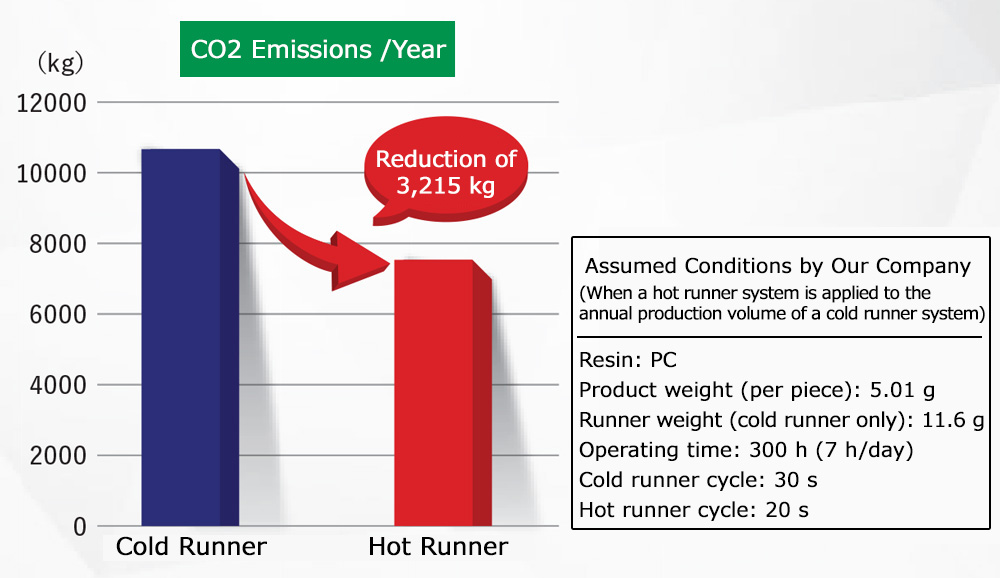
Reduce CO2
with Runnerless

Hot runner systems reduce plastic waste and contribute to the SDGs.

CO2 Reduction Benefits

 Shorter Cycle Time

Since cooling of the runner is not required, cooling time can be significantly reduced. Improved production efficiency shortens machine operating time and helps eliminate unnecessary energy consumption.

 Reduction of Resin Waste

The greatest feature of a hot runner system is that it does not produce runners during molding. This minimizes plastic waste and significantly contributes to reducing CO2 emissions.

▲ Click to enlarge ▲

SEIKI Hot Runner – Upgraded Energy Efficiency!

 Improved Thermal Insulation

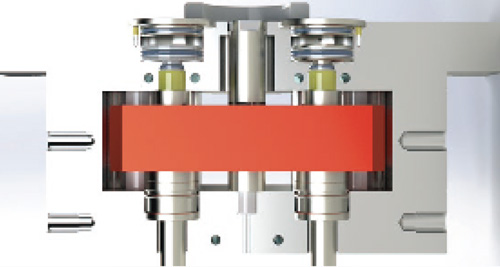
SEIKI’s unique insulation structure greatly improves thermal efficiency inside the hot runner system.

 Reduced Manifold Weight

By reducing the weight of the manifold, energy consumption during heating is significantly reduced. During molding, stable production is possible with minimal energy.

Achieves 30% or more reduction in power consumption


Case Studies of CO2 Emission Reduction Evaluation

 Conditions for Calculating Co2 Emissions

1. Resin CO2 emission factor: Based on data from the Chemical Economics Research Institute (1993).

2. Electricity CO2 emission factor: Based on data from the Federation of Electric Power Companies of Japan (2003).

3. Power consumption of molding machines and hot runner systems measured from actual hot runner mold molding experiments.

4. Discharged runners were created using CAD; their volume was calculated and converted into weight.

5. Molding conditions were based on hot runner experiments; cold runner conditions were assumed.

6. Recycling rate of runners uses assumed values.

7. Mold temperature control power and material drying power are not considered.

8. CO2 emissions during mold and hot runner manufacturing and transportation are not considered.

Case 1

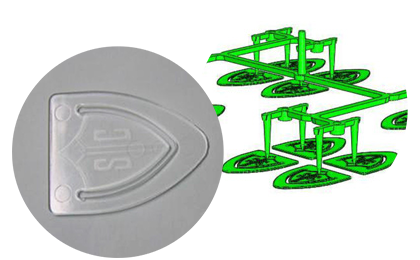
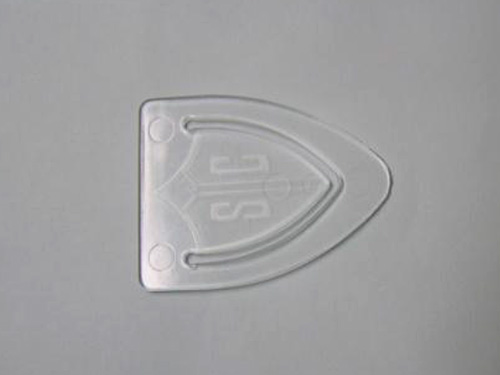
Product Clip
Resin PC
Product weight 1.00g
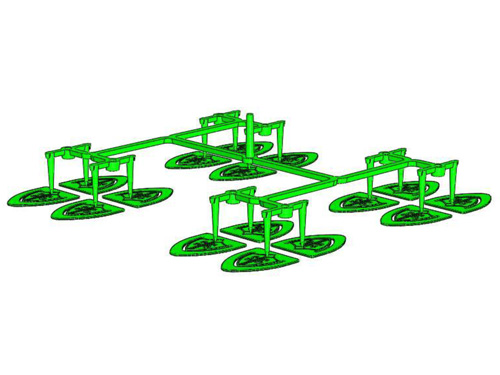
Runner weight 12.61g
Molding machine SE50 (Sumitomo Heavy Industries)
Molding cycle Cold runner: 15 sec Hot runner: 8 sec
Mold temperature 80℃
Recycled material ratio 25%
 Calculation Results

CO2 from product material: 5.08 g (per product)
CO2 from runner material: 4.01 g (converted per product)
CO2 from molding machine electricity (cold runner): 0.308 g
CO2 from molding machine electricity (hot runner): 0.258 g
CO2 from hot runner control electricity: 0.271 g

Total CO2 emissions (Cold runner): 7.46g
Total CO2 emissions (Hot runner): 5.61g

CO2 reduction rate using hot runner >>> 24.76%

* Product and runner values represent emissions per single product. Recycled portions are not included.

Case 2

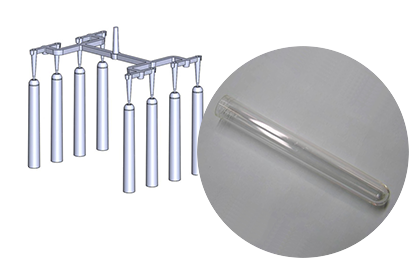
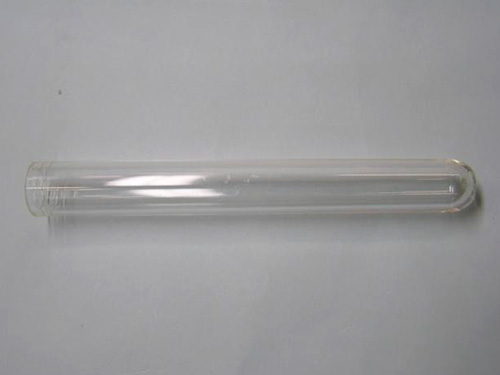
Product Blood collection tube
Resin PET
Product weight 5.99g
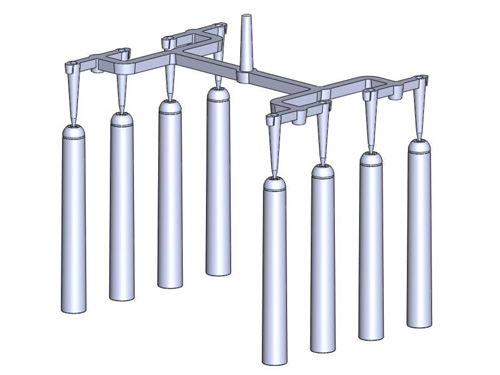
Runner weight 25.7g
Molding machine J350 (Japan Steel Works)
Molding cycle Cold runner: 15 sec Hot runner: 8 sec
Mold temperature 15℃
Recycled material ratio 10%
 Calculation Results 

CO2 from product material: 18.09 g (per product)
CO2 from runner material: 9.70 g (converted per product)
CO2 from molding machine electricity (cold runner): 1.15 g
CO2 from molding machine electricity (hot runner): 0.884 g
CO2 from hot runner control electricity: 0.565 g

Total CO2 emissions (Cold runner): 26.60g
Total CO2 emissions (Hot runner): 19.55g

CO2 reduction rate using hot runner >>> 26.49%

* Product and runner values represent emissions per product. Recycled portions are not included.

 
Latest Update 12 Mar 2026